Every job starts with a site survey.
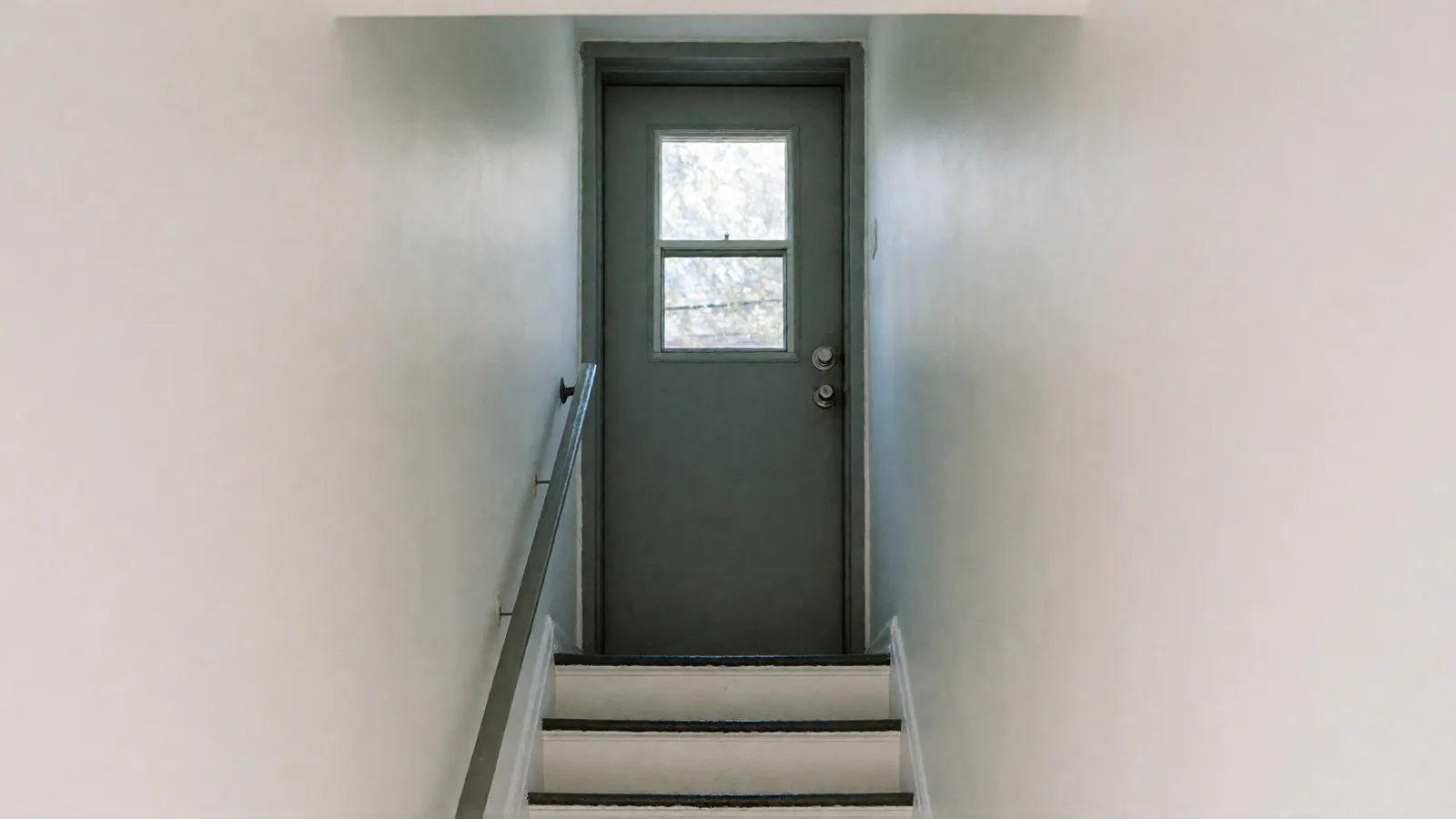
A white-walled stair with a metal handrail leading up to a gray steel roof door with a small window.

How it works

Getting the house ready for an install day

A cleared roof, a clear way up and a word with the neighbors: most of what makes an install day go well is done in the week before it.

  • The roof cleared
  • A short power cut, late in the day

AI-generated illustration. Not a real home or business.

In the week before the install

Roughly in the order to do them, and why each one matters.

  1. If you share a party wall, tell the neighbors that a crew will be on the roof that day.

  2. Move anything you keep on the roof, and anything stored near the basement panel.

  3. Keep the car off the curb in front of the house if you can, for the delivery.

  4. Plan for a short power cut late in the day, and turn off a computer you care about before it.

  5. Keep pets and children away from the bulkhead and the ladder.

A party wall means a shared parapet and, often, a roof that runs straight on into the neighbor's. Nobody goes onto theirs, but they will hear the drilling and see the crew, and a word beforehand is easier than an explanation afterwards.

Whatever lives on the roof has to come off it, because the layout was drawn for a bare roof: planters, chairs and a grill sit exactly where the frames or the canopy's feet are going, or in the walkway that has to stay clear.

The power cut is the day's last step, the tie-in: a short power cut at the end of the day, while the system is connected to the house's panel. The system stays off. A computer shut down by hand beforehand is better off than one shut down by the cut.

The last item is about the way up. Everything goes up through the bulkhead or the hatch, or by ladder from the yard, and the crew ties off to a safety line before anyone works near an edge. So the stairs to the bulkhead, or the yard under the ladder, are a work area all day.

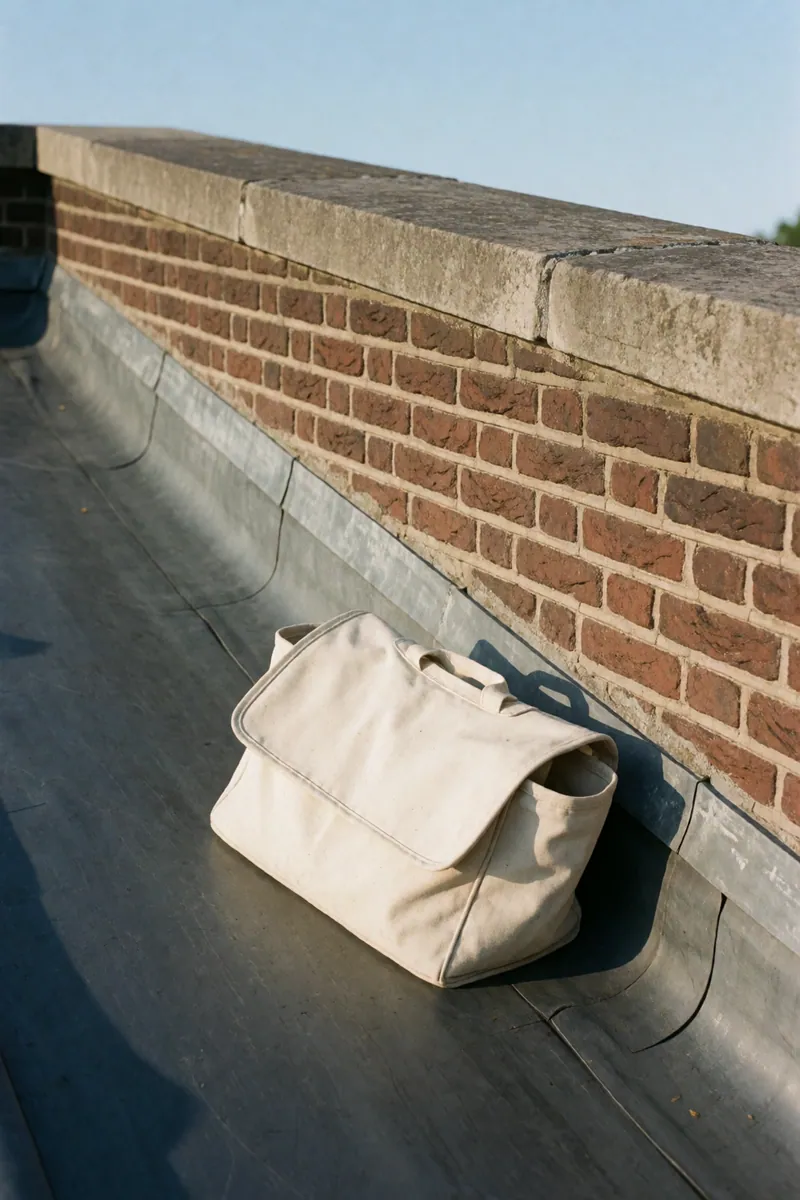
A closed canvas tool bag on a gray roof membrane against a brick parapet with a stone coping.AI-generated illustration. Not a real home or business.

Ruairi Delacroix-Amadi

Install crew lead

Leads the crews on flat and sloped roofs across Queens.

Ruairi walks the roof with the layout in hand before any racking is carried up.

Ruairi has the crew off the roof when the wind picks up, and back the next working day.

The picture is a still of the tools, not a portrait.

What should already have happened

By the week before, the paperwork is done and the materials are on their way.

The permits are issued, the materials are on their way, and you have the signed contract, the State's disclosure form and the layout. Someone is home to let the crew through to the roof and the basement.

From a signed contract to a system the utility lets you switch on usually takes two to four months in New York City: the drawings and the permits, the install itself in a day or two, the inspections, and the utility's own review. A landmark review or a fire department variance adds weeks.

Two steps that are yours, and come long before the day

Both come up at the survey, and both are settled well before a crew is booked.

For a house built before 1987, or one whose age nobody knows, the owner has an asbestos investigation made before the Buildings filing, because old roofing and the materials around it can contain asbestos. It is a step on the way, not a reason to stop.

Panels stay up for decades, so a roof covering near the end of its life is replaced before they go on, not after. Taking panels off and putting them back later costs money, and in New York City replacing a whole roof deck brings its own requirement for solar or a green roof. We don't do roofing: a roofer goes first, and the survey says whether one is needed.

If the weather turns

The crews are on the roof from 8 am to 4 pm, Monday to Friday, and come down in high wind, rain, ice or lightning: a roof day lost to weather is moved, never rushed.

Wind is the usual reason. Racking and panels are not carried up in a gusting wind: a panel is a sail as big as a door, and on a row house the roof edge is never far away.

Size your roof

Try the roof sizing planner: panels, kilowatts and the roof they take at the published rate, in about three minutes. Sending it to us books nothing.