How it works
From the utility's permission to the next new roof
The system stays off until the utility says yes. After that there is little to do but watch it, and keep the clear paths clear.
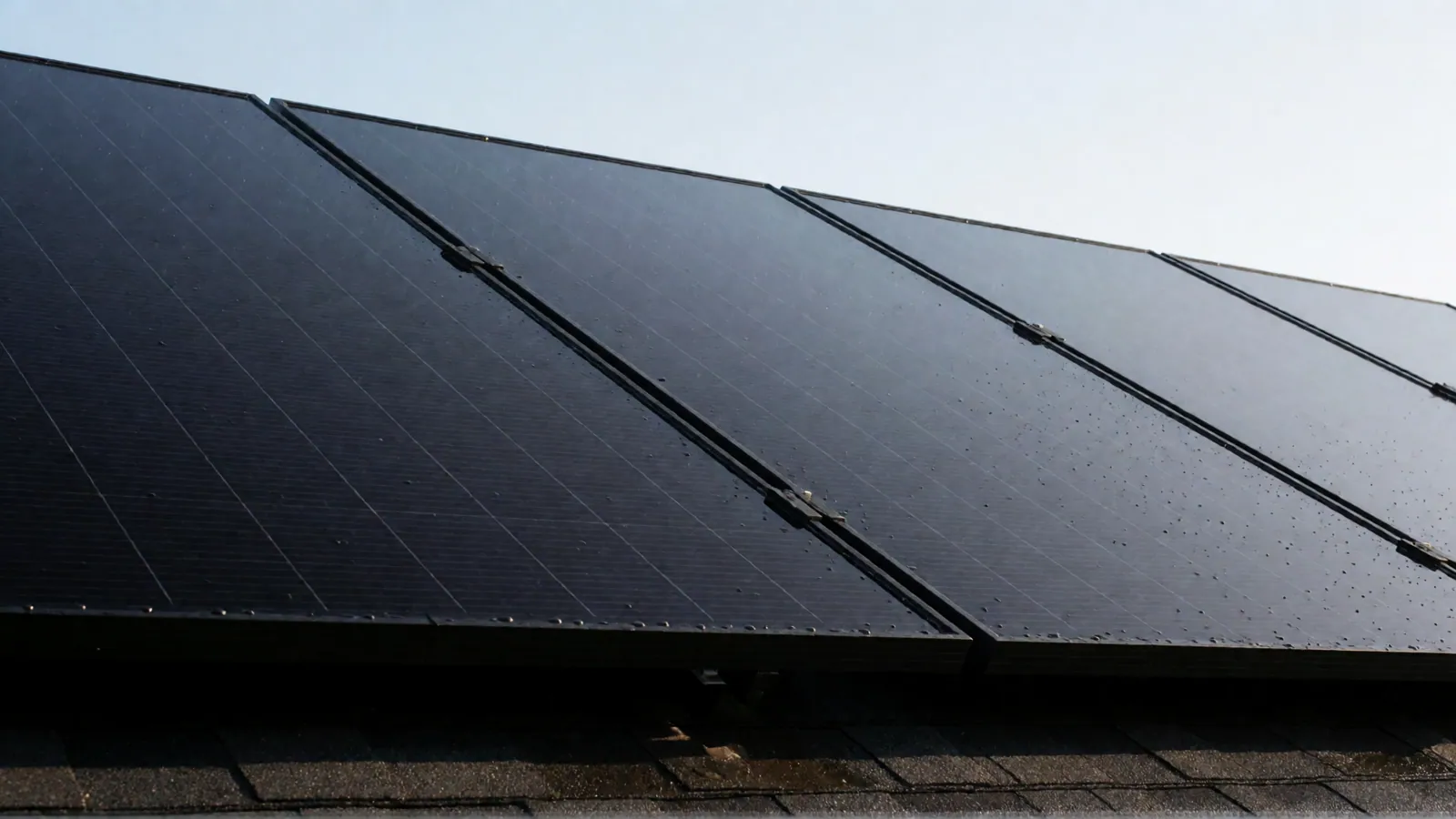
AI-generated illustration. Not a real home or business.
Between the install and the utility's yes
Leave the system switched off until the utility has given its permission; the office tells you when.
The days between are the inspections and the utility's own review, with nothing for you to do but wait for the call.
As of October 2026, Con Edison customers who add solar are credited for what they send to the grid under net metering, and pay a monthly charge for the system's size, the Customer Benefit Contribution, that changes every year. The installer applies to the utility in your name, and the system runs only after the utility gives permission to operate.
In parts of the city served by underground network cables, the utility may limit or refuse a connection. The utility answers that after the application, not before.
Watching it
Each system is set up with the inverter maker's monitoring, which shows you what the panels are doing on your own phone or computer. You can give the office the same view, and the contract says what the office does when a panel or an inverter stops reporting.
A clear day in early summer and a gray week in winter look very different on the screen, and both are normal. What the monitoring is for is the change that is not the weather: one panel reading nothing while the panels beside it carry on.
Cleaning, snow, and the roof
Panels are not washed on a schedule: rain does most of it in New York, and snow is left to slide off. Nobody should go up on a roof to clear them.
Keep the warning labels and the shut-off clear: they are for the fire department.
If you use the roof yourself, keep the walkway as clear as the layout drew it. It was kept clear for the fire department, and a planter in it undoes the reason the panels stand where they do.
In a power outage
A system tied to the grid shuts itself off when the grid goes down, so that nobody repairing the lines is hurt. Without a battery, panels do not keep the lights on in an outage, and this company does not install batteries.
The bill afterwards
No page on this site says what a system would save, what your bill would be, what a system would make or how soon it would pay for itself. Those depend on the utility's future prices, its yearly charges, your household's use and your own taxes, which nobody selling panels controls, and New York's rules require any savings figure an installer shows to sit beside a forecast built the State's way, from the past three years of your utility's real prices.
When the roof needs replacing later
Taking panels off for a new roof and putting them back is $300 a panel, seen first, plus any sales tax New York charges on that work, which the written price shows. The roofing itself is your roofer's.
Tell the office before the roofer starts, not after. The panels come off, are stored, and go back on once the new covering is down, and they are wired and inspected again before they run.
If something stops
Panels already on your roof, a problem with them, or panels off and back on for a new roof, are seen first: we look at the system before we say what it needs.
Size your roof
Try the roof sizing planner: panels, kilowatts and the roof they take at the published rate, in about three minutes. Sending it to us books nothing.